
CHILDREN OF THE

GENERATION
The project Children of the Windrush Generation was produced in 2021. It was produced to explore the stories of people who had arrived in the UK as part of the Windrush Generation while still children. The video testimonials speak of their experiences, joys, triumphs and struggles. After producing the video testimonials we delivered creative school workshops to help primary school children to understand the journeys of the Windrush Generation.
In the aftermath of World War II there were not enough workers to run the country’s essential services, leading Britain to call for help from Commonwealth countries to rebuild the economy. The Empire Windrush arrived at the Port of Tilbury on the 22nd June 1948. The passengers later became known as the first members of the Windrush Generation. Between 1948 and 1970 it is estimated that half a million people migrated to the UK from the Caribbean. Many of these people were parents who wanted to work for a few years and return home. They typically left their children in the care of relatives.
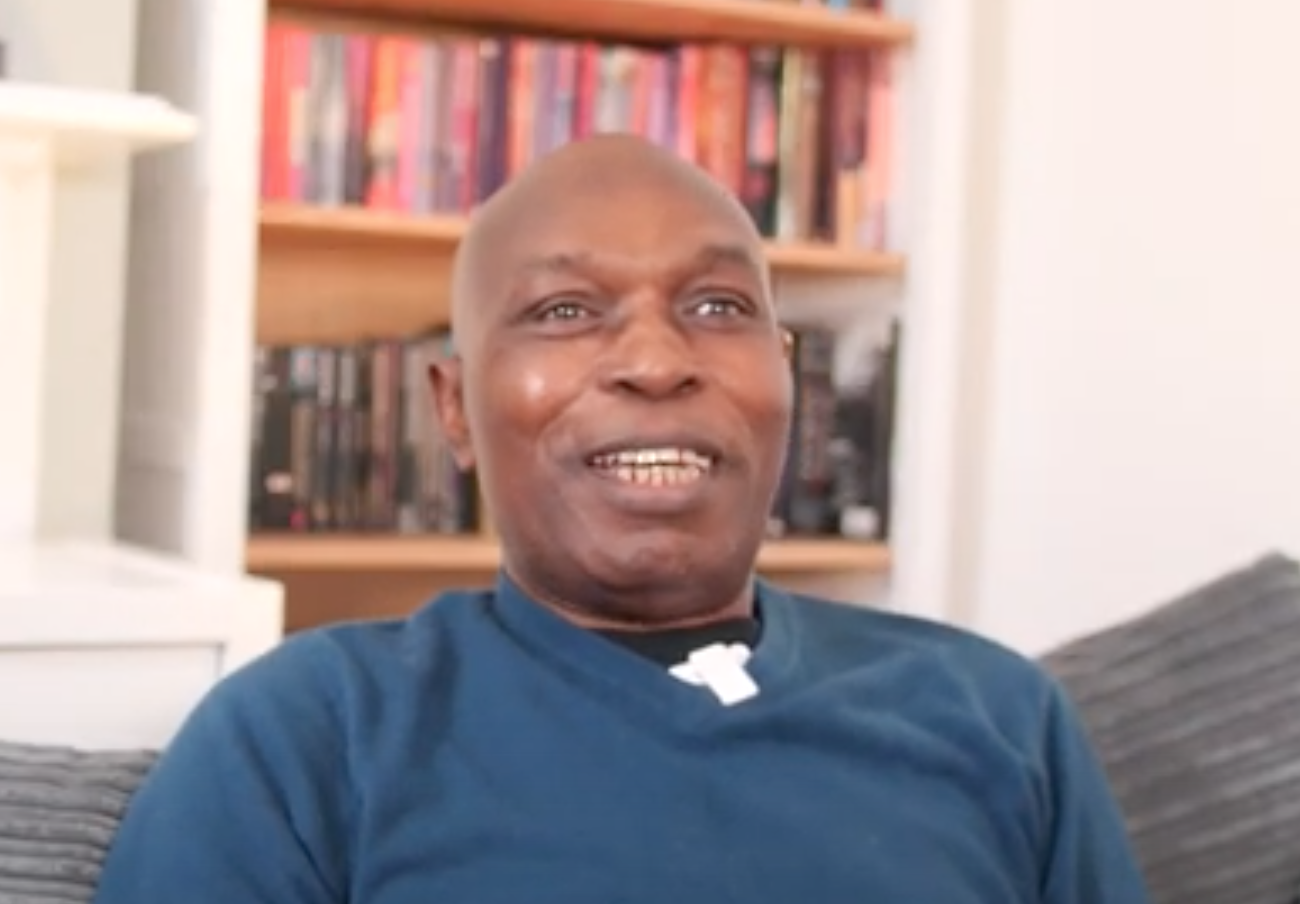
fitzroy anderson
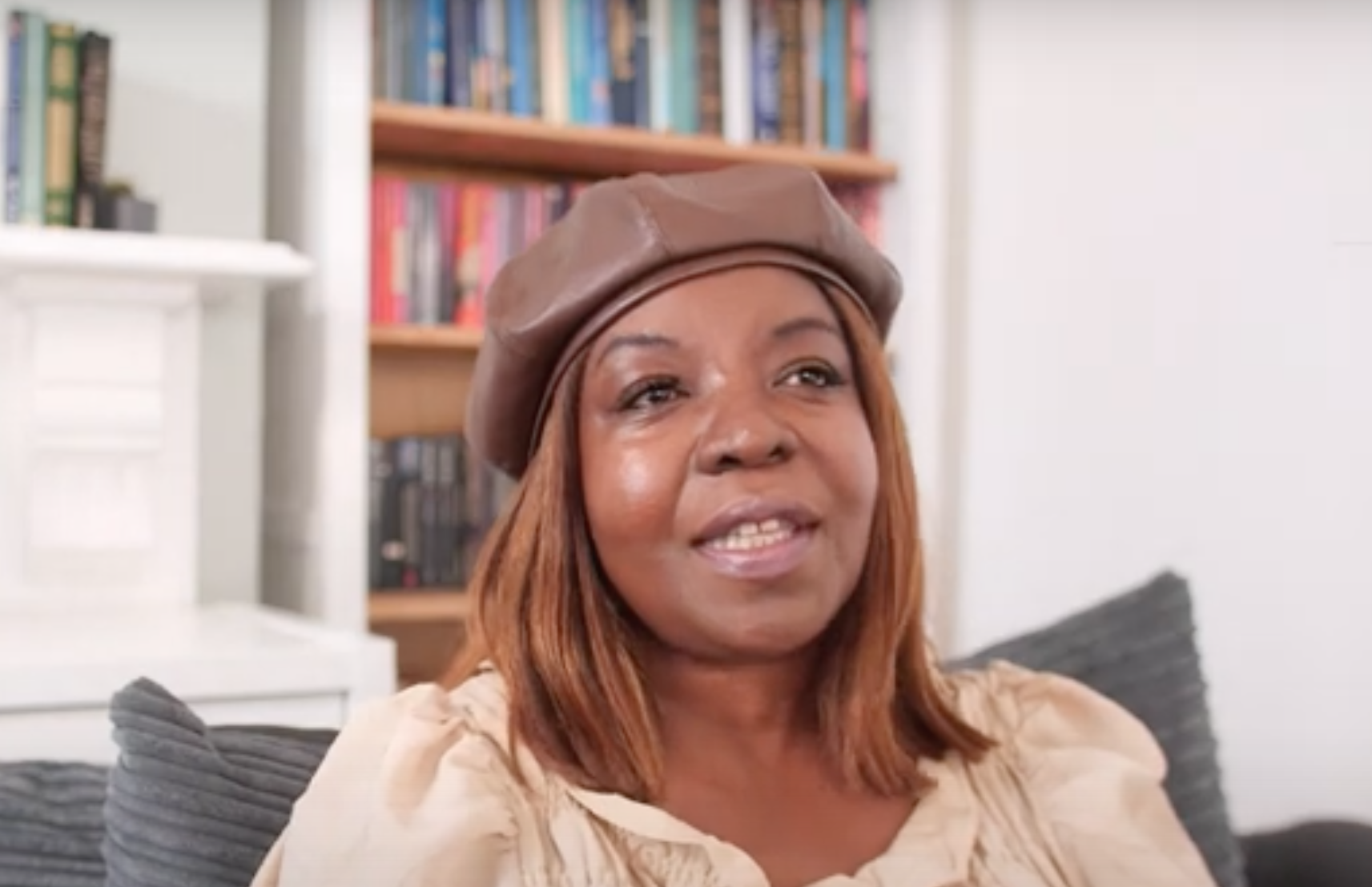
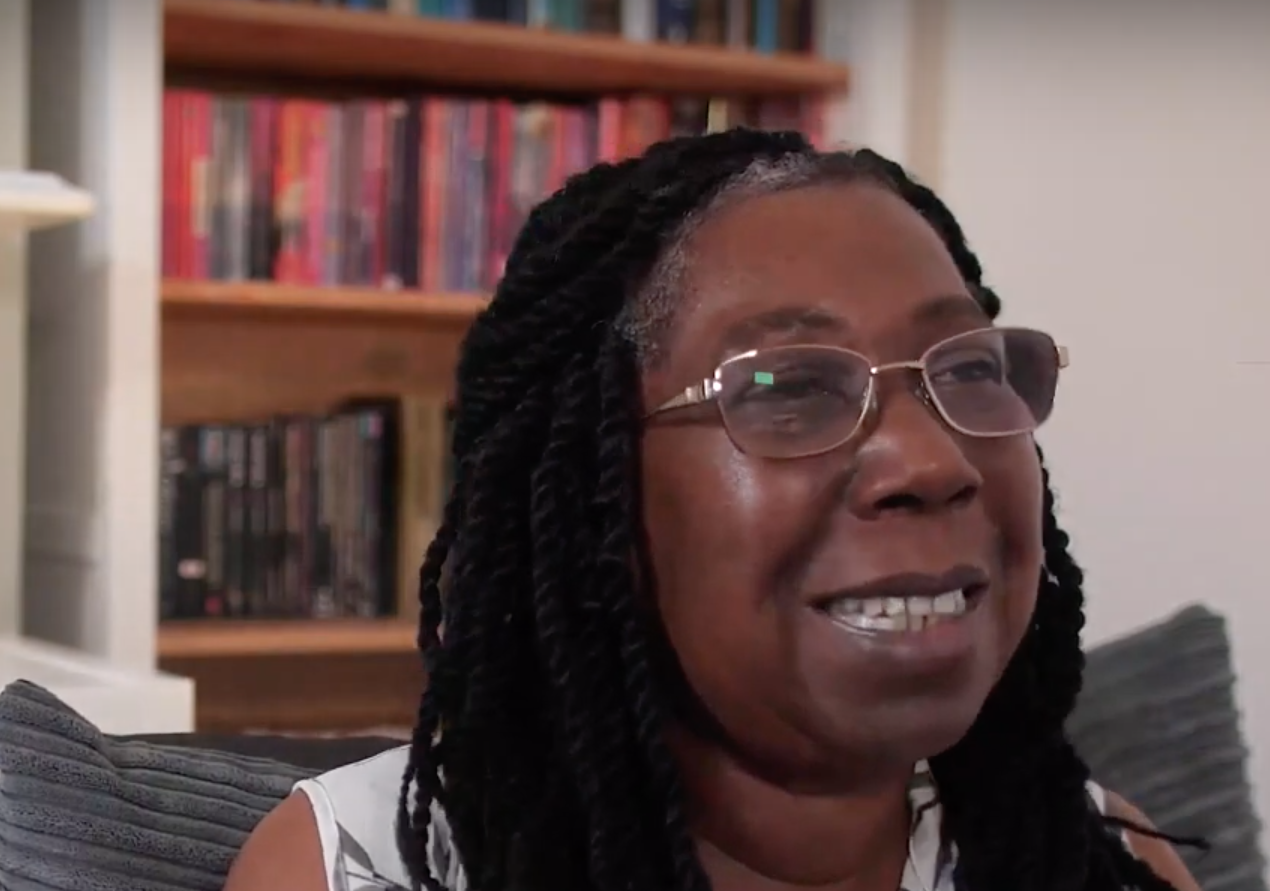
beverley goddard brown
winsome johnson
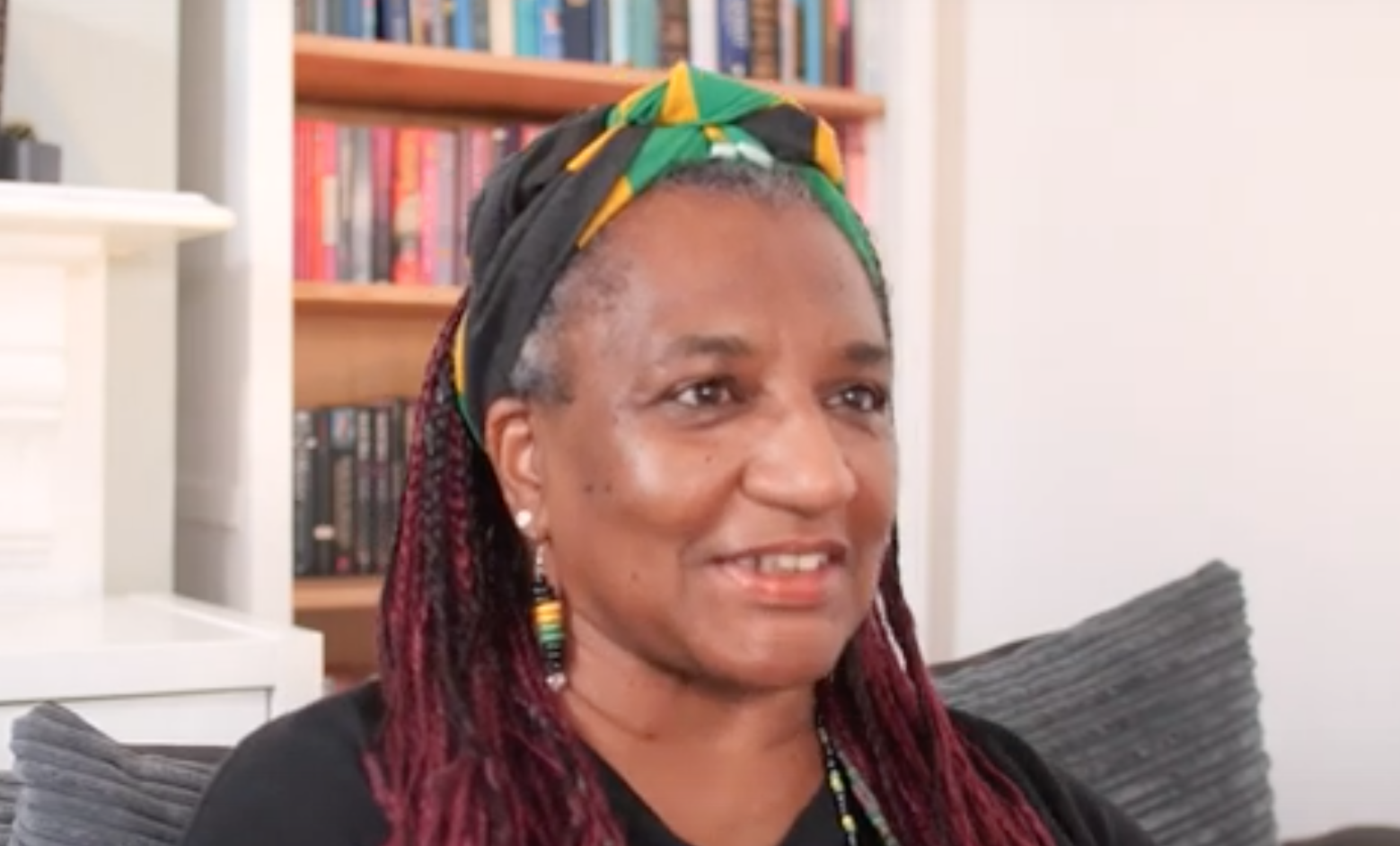
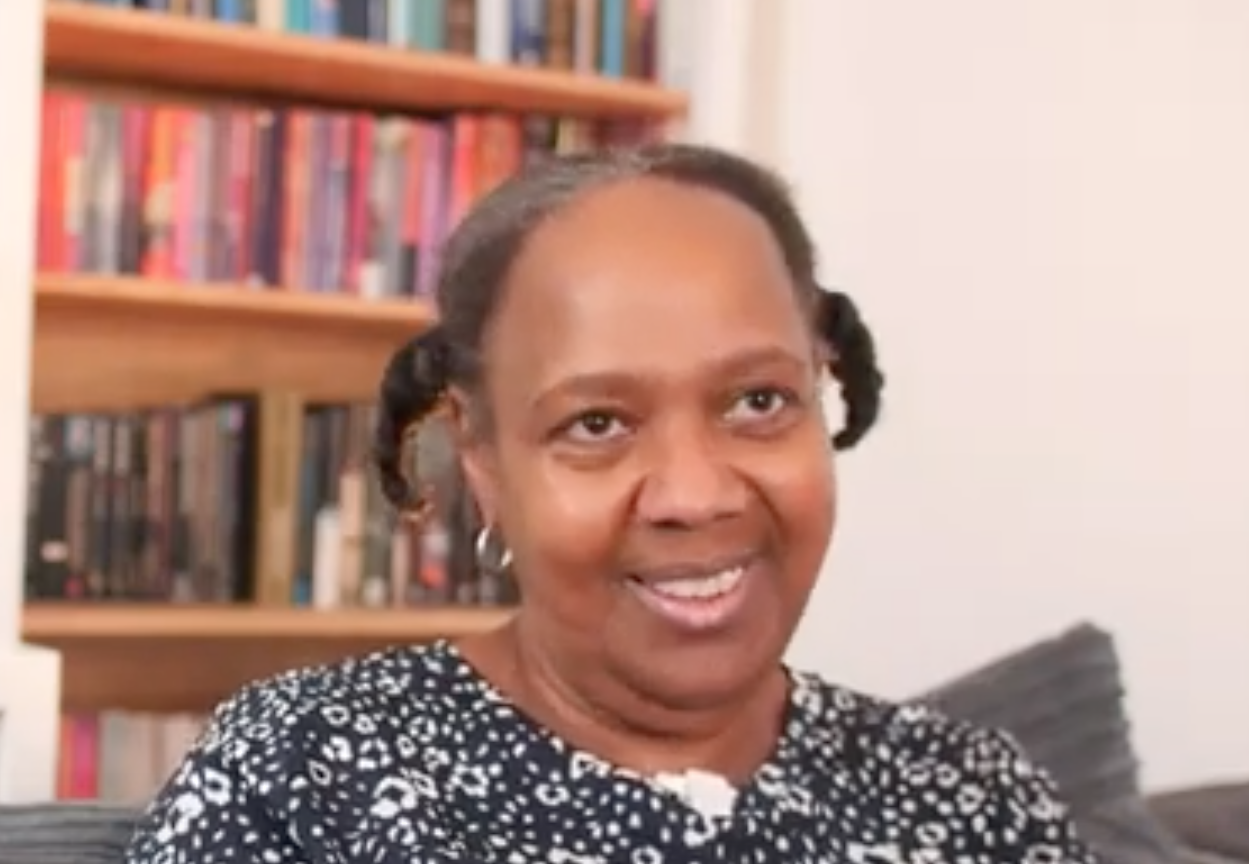

pauline josephine wedderburn
marie anderson
marcia burke
godfrey anderson

fitzroy anderson
While living with his aunt, he experienced colourism and was told not to play with his lighter skinned siblings as he was considered ugly due to his darker skin tone.
Fitzroy Anderson was born 1951 and lived in rural Jamaica with his aunt after both of his parents left to find work in England in the late ‘50’s. By age 10, he was working the land and looking after the livestock when he was not at school.
Fitzroy came to England in October 1964 knowing nothing of England apart from what his mother had told him – it was cold and dark.
winsome johnson
Born in 1959 in Kingston, Jamaica, Winsome Johnson moved to the countryside to live with her aunt when her parents left for England. There was no electricity or running water in the house and they relied on rainwater for drinking, cooking, cleaning and bathing. However, they lived off the land and had access to fresh produce and livestock. Her aunt grew her own coffee which she sold to other locals and tradesmen.
Winsome Johnson came to England alone as a child and had not met her parents beforehand.
beverley goddard brown
Beverley Goddard-Brown was born in 1959 in Font Hill, Saint Thomas, Jamaica. Her parents went to England when she was 9 months old, leaving her in the care of other family members. She lived predominantly with women on a large plot of land that had several houses they all shared.
Beverley hadn’t thought much about her parents until she came to the UK in 1965. She lookedto her Godmother as a mother figure while living in Jamaica and then to her grandmotherwhen living in England. She didn’t develop a maternal bond with her mother until later in life.
marie anderson
Marie Anderson was born in 1951 in Kingston, the capital of Jamaica. She grew up in a large tenement yard with multiple families. There were lots of children to play with and lots of leisure facilities available.
Marie’s mother left for England when Marie was 11 or 12 years old. She planned to work in the UK for 5 years, save money and return to Jamaica to build a better life for Marie and her brother. Marie missed her mother very much but received letters and gifts from her regularly.

pauline josephine wedderburn
Pauline was born in 1960 in Kingston, Jamaica.
Her parents travelled to England when she was 4/5 years old, leaving her in the care of her grandparents until she came to England aged 8.
Pauline’s parents initially had a 5-year employment plan that enabled them to move back to Jamaica but there was not much opportunity for them to progress due to systemic racism. Pauline remembers pondering with her mother on what life might have been like if they stayed in Jamaica.
marcia burke
Marcia Burke was born in 1959 in Saint Thomas, Jamaica and grew up in Port Antonio where cruise ships docked, and water sports were available. She lived in a house on stilts with a veranda and outdoor kitchen with her grandparents and had no memory of her parents growing up.
Marcia came to England, like many children of the Windrush generation, on a young passenger travelling alone ticket. She found it difficult to adjust to life in a new country with parents she didn’t really know.
godfrey anderson
Godfrey was born in 1958 and lived in a small rural village in Saint Thomas where most of his extended family also lived. He grew up with his siblings under the care of his aunt and uncle.
Though he has no recollection of his parents before he came to England around the age of 7, he describes his life in Jamaica as ‘idyllic’. His uncle gifted him with calves, foals and fillies and he enjoyed spending time outside playing with them.
He describes his childhood and teenage years as a time when he was bored and had no guidance. He and his friends were racially profiled, frequently harassed by police and criminalised.
Despite this, Godfrey became a successful businessman and has worked with people from all over the world.

fitzroy anderson
While living with his aunt, he experienced colourism and was told not to play with his lighter skinned siblings as he was considered ugly due to his darker skin tone.
Fitzroy Anderson was born 1951 and lived in rural Jamaica with his aunt after both of his parents left to find work in England in the late ‘50’s. By age 10, he was working the land and looking after the livestock when he was not at school.
Fitzroy came to England in October 1964 knowing nothing of England apart from what his mother had told him – it was cold and dark.
winsome johnson
Born in 1959 in Kingston, Jamaica, Winsome Johnson moved to the countryside to live with her aunt when her parents left for England. There was no electricity or running water in the house and they relied on rainwater for drinking, cooking, cleaning and bathing. However, they lived off the land and had access to fresh produce and livestock. Her aunt grew her own coffee which she sold to other locals and tradesmen.
Winsome Johnson came to England alone as a child and had not met her parents beforehand.
beverley goddard brown
Beverley Goddard-Brown was born in 1959 in Font Hill, Saint Thomas, Jamaica. Her parents went to England when she was 9 months old, leaving her in the care of other family members. She lived predominantly with women on a large plot of land that had several houses they all shared.
Beverley hadn’t thought much about her parents until she came to the UK in 1965. She lookedto her Godmother as a mother figure while living in Jamaica and then to her grandmotherwhen living in England. She didn’t develop a maternal bond with her mother until later in life.
pauline josephine wedderburn
Pauline was born in 1960 in Kingston, Jamaica.
Her parents travelled to England when she was 4/5 years old, leaving her in the care of her grandparents until she came to England aged 8.
Pauline’s parents initially had a 5-year employment plan that enabled them to move back to Jamaica but there was not much opportunity for them to progress due to systemic racism. Pauline remembers pondering with her mother on what life might have been like if they stayed in Jamaica.
marie anderson
Marie Anderson was born in 1951 in Kingston, the capital of Jamaica. She grew up in a large tenement yard with multiple families. There were lots of children to play with and lots of leisure facilities available.
Marie’s mother left for England when Marie was 11 or 12 years old. She planned to work in the UK for 5 years, save money and return to Jamaica to build a better life for Marie and her brother. Marie missed her mother very much but received letters and gifts from her regularly.
marcia burke
Marcia Burke was born in 1959 in Saint Thomas, Jamaica and grew up in Port Antonio where cruise ships docked, and water sports were available. She lived in a house on stilts with a veranda and outdoor kitchen with her grandparents and had no memory of her parents growing up.
Marcia came to England, like many children of the Windrush generation, on a young passenger travelling alone ticket. She found it difficult to adjust to life in a new country with parents she didn’t really know.
godfrey anderson
Godfrey was born in 1958 and lived in a small rural village in Saint Thomas where most of his extended family also lived. He grew up with his siblings under the care of his aunt and uncle.
Though he has no recollection of his parents before he came to England around the age of 7, he describes his life in Jamaica as ‘idyllic’. His uncle gifted him with calves, foals and fillies and he enjoyed spending time outside playing with them.
He describes his childhood and teenage years as a time when he was bored and had no guidance. He and his friends were racially profiled, frequently harassed by police and criminalised.
Despite this, Godfrey became a successful businessman and has worked with people from all over the world.
marcia burke
questions for discussion:
marie anderson
questions for discussion:
pauline josephine wedderburn
questions for discussion:
t t e e s s t t i i m m O O n n i i a a l l s s
alex banks
Wessex gardens primary school
TO REQUEST OUR CHILDREN OF THE